Table Of Content
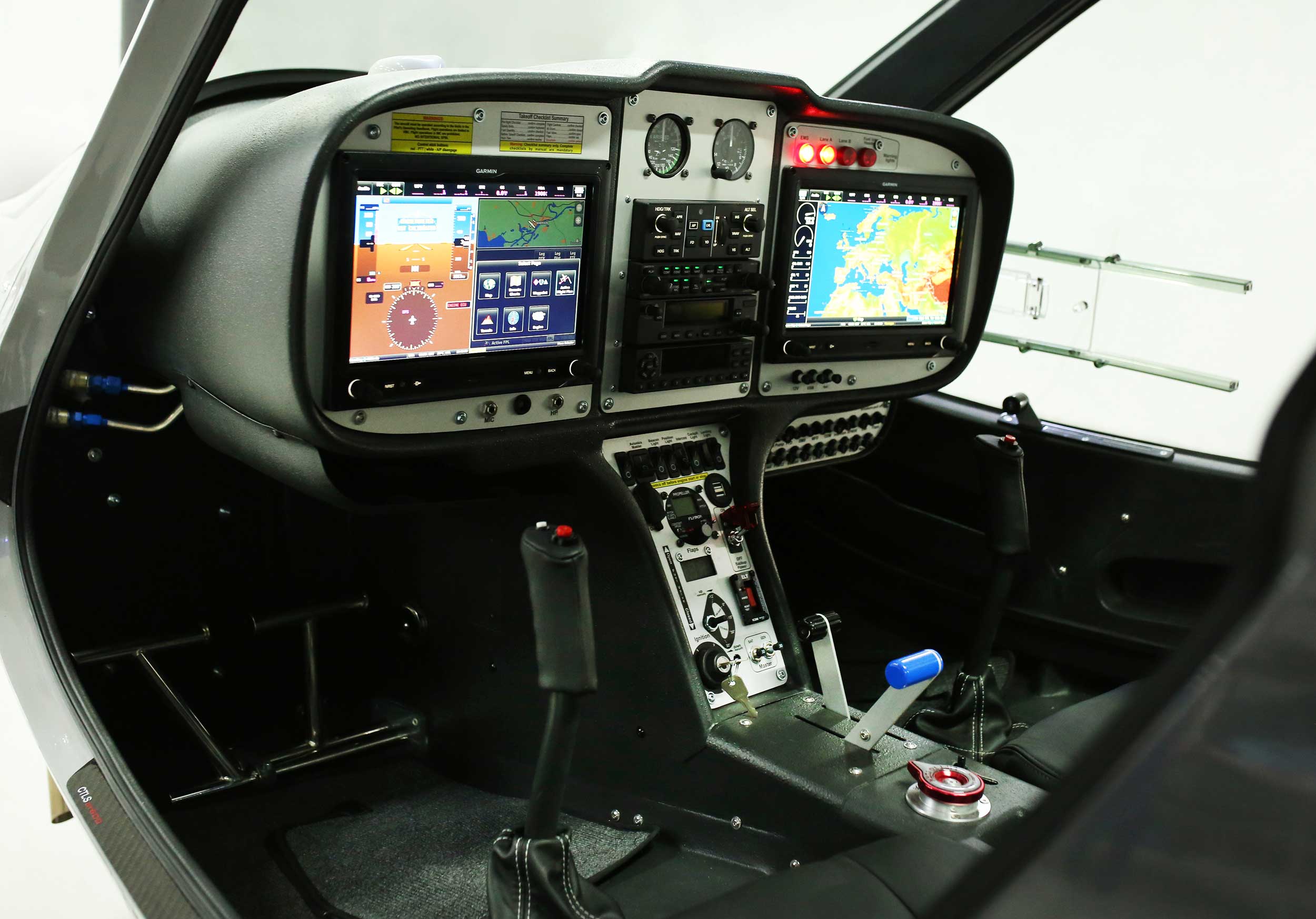
Looking somewhatlike an egg with tail feathers, thesurprisingly roomy CT2K proved tobe a great performer. Sleek wheelpantsadded to the aerodynamic flow, but most importantly a hightech,composite landing gear is more forgiving. Its design specifications like the P-38 were based upon the British requirements for a new fighter. North American Aircraft agreed to produce the first prototype only 4 months after signing the contract in April 1940. CTLS 2020 Sport Edition is the latest version of the CTLS family. Flight Design unveiled the new CTLS 2020 with technical and aerodynamic upgrades and also improved exteriors and interiors in April 2020.
Maximum Speed
Since its introduction, numerous variants of the CT series have been introduced, a total of 400 aircraft were reportedly in use worldwide by 2005. During 2015, in response to rising demand for the type, Flight Design opted to construct a new manufacturing facility in China to produce the type. Hundreds of plastic scale models are also included in the collection.

FLIGHT SCHOOLS AND FLYING CLUBS
The cabin width of the aircraft is 1.24m, while a convenient jacket shelf ensures in-flight access. The aircraft has two cabin windows at the aft, giving an open feel and improved rearward visibility to the passengers. Roll feel springs are still evident,which, in my opinion, result in a rollfeel that is not in balance with pitchand yaw. A complete stall series at all flap settings disclosed no surprises.The same was true for a series oftouch-and-goes. Again, the moresophisticated pitch feel of the CTLSmakes it easy to set up for a stabilizedapproach.

CTLS 2020 SE Rotax ™ 912
It is intended to serve professional flight schools, flying clubs and private owners. The CTLS accelerates quickly tocruise speed using 75 percent power(5200 rpm). Having set the flapsto minus 6 degrees at 100 knots(like the CTSW, the flaps still needmanagement), the CTLS’ indicatedairspeed stabilized at 110 knots.
Is hydrogen the future of environmentally sustainable aviation?
The British version used a Rolls-Royce Merlin engine replacing the original Allison engine, while the U.S. version used the Packard-built Merlin. It can also be equipped with other optional features, including analogue one pointer altimeter, analogue airspeed indicator, Garmin GMC 507 digital autopilot, GMA 345, GTX 345 with ADS-B in/out and GDU 465 screen. The CTLS Sport Edition is lighter than its predecessors and features new interiors, redesigned cowling and Garmin G3X avionics suite.
Decrease the pitch and yaw changes felt due to short coupling. Move the rudder trim further forward; it is hard to reach. The CTLS light sport aircraft features a comfortable cabin, moulded foam seats and two large baggage compartments. An interesting feature of the CTline of airplanes is that the aileronsprogressively droop when the flapsare lowered. While this setup typicallyresults in some loss of roll authority, Inoticed only a slight decrease in roll asthe flaps were lowered from 30 degreesto 35 degrees. Landings are a snap,with plenty of fl are authority at all flapsettings.
Flight Design sells CT series and C4 - AOPA
Flight Design sells CT series and C4.
Posted: Wed, 02 Nov 2016 07:00:00 GMT [source]
Flight Design back up to speed - AOPA
Flight Design back up to speed.
Posted: Thu, 31 Jan 2019 08:00:00 GMT [source]
An uncowled CTLS in the hangarallowed a close-up look at somenew engine features. The Rotax912S installation is now a Rotaxfactory standard, drop-in powerplantpackage. Additionally, both oil andcoolant thermostats are now installedas standard equipment. Flight Design USA moved quicklyto receive ASTM consensus standardcertification of the 2005 CT2K versionof the airplane.
PERFORMANCE AND SPECIFICATIONS
The two-axis autopilot performedwith surprising smoothness.Approach and landings held nosurprises, but the landing gear hada stiff feel that allowed the plane tobobble just a bit if the touchdownwas not on the money. Flaps“must” be placed to the minus 6degree position at a speed in excessof 100 knots indicated airspeed. The 15 degree and30 degree flap positions also havedifferent extension speed limits; the40 degree position is the same as thatused for 30 degrees. The first “touch and feel” evidenceof change came as we began totaxi. The new landing gear offersthe smoother ride of a much largerairplane.
DESIGNED FOR YOUR MISSION
Even high approaches,slipped to a landing with 35 degreesof flaps, were successfully pulled offby me, having less than 30 minutes’total time in type. As a comparative reportemphasizing the CTLS, details of theCTSW flight will be limited. Sufficeit to say, the CTSW was impressive.Without a doubt, this little planelived up to its performance claims.The direct nose-wheel steeringwas responsive and linear in itsmovement. The hand brake is rightnext to the throttle and was easy touse. Basic flight maneuvers disclosedno unusual handling characteristics(except for pitch and roll spring loads that could be felt in the stick), andstalls were benign, with excellentaerodynamic warning.
Our taxiway angled onto themain taxiway, and the ability to clearthe area by looking over my shoulderthrough the new side window wasimmediately evident. Improved flighthandling showed up as soon as theCTLS was rotated for takeoff. TheCTLS literally jumps off the groundwhen using the normal 15-degreetakeoff flap setting. The lack of pitchfeel springs gives a feeling of moreprecise rotation control, and theenhanced pitch stability typical of alonger fuselage is evident. Minimalpitch trim adjustments are needed tomaintain the correct climb attitude.The need to use rudder trim isvirtually gone. Theoverall feel is of a more solid platformthat stays where you put it.
Theresulting true airspeed of 117 knotsbeats the advertised 115 knots. A student that drives up to an FBO in a modern car gets excited by our CTLS, especially compared to a flight line full of 30 year-old rather noisy aircraft with dated interiors, old-fashioned instruments, and faded paint. Flight Design USA (FDPC) roster boasts a network of flight schools using Flight Design Light-Sport Aircraft.It is one of the largest LSA flight center programs in the country. We have schools that specialize in LSA and focus on Flight Design. The aircraft was approved for 600kg maximum take-off mass by the German Aeroclub (DAeC) in July 2020.
The CTLS was immediatelyrecognizable upon entering theirhangar, even though it had lost the eggwith tail feathers look. The fuselage hasbeen stretched by 14 inches aft of thewing, and the change in appearanceis remarkable. New windows aft ofthe doors give the cabin area a moreproportioned look. Overall, the CTLShas a more refined appearance ofbalance, something that is difficult toappreciate in photos. Under the leadership of PresidentMatthias Betsch, Flight DesignGmbH has created a numberof advanced composite designs, withthe CT series coming onto the sceneas a European advanced ultralight in1997. Flight Design GmbH exports CTaircraft to the United States throughFlight Design USA.




No comments:
Post a Comment