Table Of Content
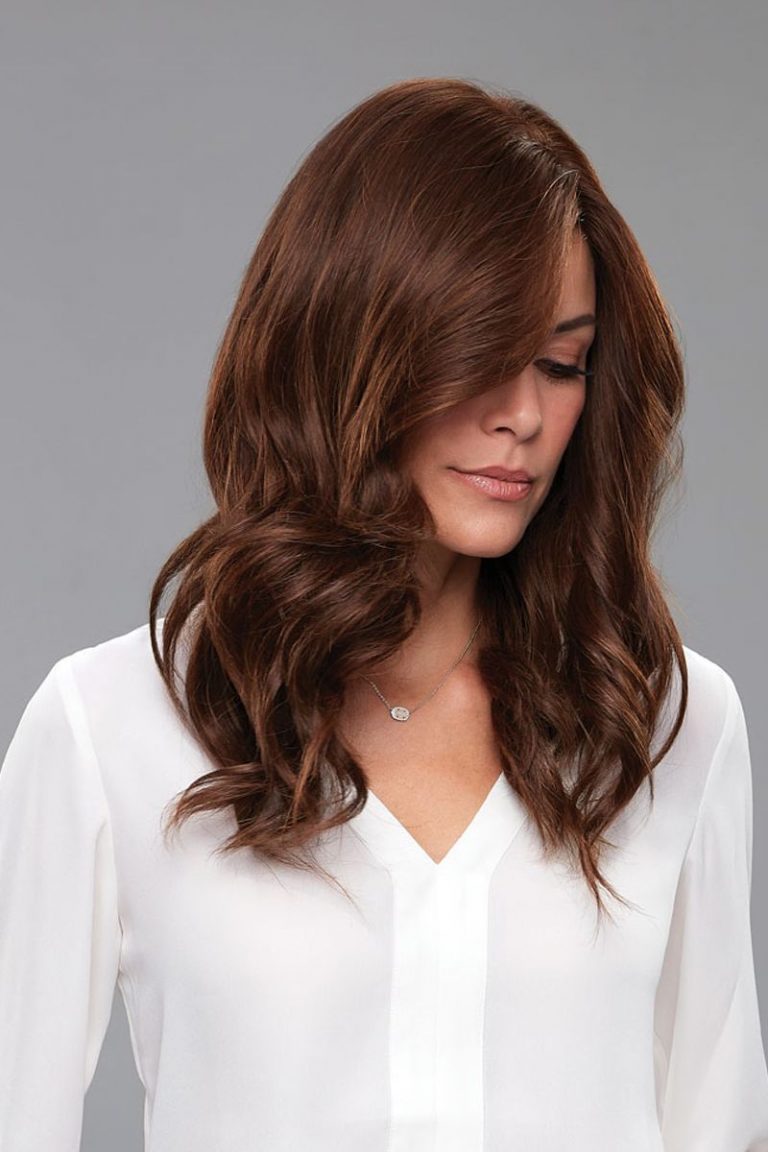
The effectiveness of scalp cooling is still being studied, but devices have been approved by the Food and Drug Administration (FDA). It seems to work best for taxane-based chemotherapy. About 90% of your scalp hair is in the active growth phase (anagen) at any time. Therefore, this hair will be affected by chemotherapy agents.
Scalp cooling may reduce hair loss from chemotherapy - Toledo Blade
Scalp cooling may reduce hair loss from chemotherapy.
Posted: Sat, 26 Aug 2023 07:00:00 GMT [source]
'It saved a lot of my hair during chemotherapy' – breast cancer patients praise cooling caps
And then what you can do is either leave the ties loose or you can tie a bow and again you can lose the ends... And they do these in a wide range of different colours and designs. So if you are trying to co-ordinate an outfit it is quite easy to find something that will actually work for that. The other thing you can do is to add different scarves and accessories.
What causes you to lose your hair, what you can do about it and how to get it back
Learn more about the side effects of immunotherapy. Hair does not usually fall out as soon as you start chemotherapy. It usually takes several weeks or cycles of treatment and tends to fall out 1 or 2 months into treatment. There are certain methods a person can use to protect thinning hair due to chemotherapy, such as brushing it gently and avoiding hair dye. More research into the benefits of cooling caps is necessary. A person can speak with a doctor to discuss whether a cooling cap could be useful for them.
Side effects of cancer drugs

You can't have scalp cooling if there is a risk of high levels of circulating cancer cells in your scalp blood vessels. This is because the cells in these blood vessels might survive the treatment. Unless you have had very high doses of particular chemotherapy drugs, your hair will grow back once treatment is over. Complete hair loss is very unlikely with any other type of treatment. But some other cancer drugs can cause hair thinning. It is not possible to tell beforehand who will be affected or how badly.
Choosing a Wig
Much depends on the timing of your treatments and the kind of chemo drugs your doctor prescribes. No treatment exists that can guarantee your hair won't fall out during or after chemotherapy. Several treatments have been investigated as possible ways to prevent hair loss. Hair loss typically continues throughout treatment and up to a few weeks afterward.
And again with all these scarves the other thing you can do of course is accessorise them. So we can choose something perhaps to just add a little bit of extra... And again you can either tie bows or you can wrap the ends in whatever you feel comfortable doing.
If you are thinking of trying minoxidil, please discuss potential risks, benefits and limitations with your care team. While chemotherapy-induced hair loss most often occurs at the scalp, it can affect other areas of the body as well. It is possible to lose your eyelashes, eyebrows, underarm hair, arm/leg hair and pubic hair. Some patients try wearing cold caps, which reduces blood flow to the scalp.
Cancer Chat forum
Grey hair may grow back as your original hair color. Straight or thin hair may return as curly, thick hair. It will be soft, new hair, unexposed to years of sunlight, shampoos and permanent dyes. People who lose their hair from cancer treatment may have insurance coverage for a wig or hairpiece. In this case, your doctor should write a prescription with a diagnosis code showing that your hair loss is due to treatment for cancer. You may start to see your hair thin or fall out 1 to 4 weeks after your first chemotherapy treatment and 4 weeks after you receive radiation therapy.
Hair Loss During Cancer Treatment
Hair loss is one of the side effects people fear most after a cancer diagnosis. Some cancer treatments such as chemotherapy can cause hair loss. Most cancer patients who receive chemotherapy will experience at least some hair loss during their treatment. You wear a cold cap to lower the temperature of your scalp.
Your doctor will want to give you the treatment that's most likely to work best in treating your cancer. But sometimes there is a choice of drugs you can have. And then it goes round the back and use one of these stretchy bands but without any metal because otherwise it might catch your headscarf and ruin the fabric. Double the elastic over and you can pull out as much of the fabric as you like at the back.
Different doses also can cause anything from a slight thinning to complete hair loss. Researchers have tried to help people whose cancer has become resistant to platinum chemotherapy by developing drugs that target FR-α. Not only is FR-α frequently overexpressed in many ovarian cancers, about 30% to 40% of high-grade serous ovarian cancers produce particularly high levels. A healthy balanced diet is also important in stress reduction too as it can support a healthy immune system, repair damaged cells and even reduce elevated cortisol levels. Some studies suggest that telogen effluvium can also be connected to low levels of iron, so include iron-rich foods like leafy vegetables, lentils and liver where you can. You have to spend longer at the hospital having your treatment if you have scalp cooling.
If your hair will fall out, it usually begins within 2 to 3 weeks after treatment starts. It can be a constant reminder of your cancer and what you’re going through. But most people's hair will grow back once treatment has finished. For example, the charity Look Good Feel Better (LGFB) holds free skincare and make-up workshops and masterclasses across the UK for women undergoing treatment for cancer. With some chemotherapies, people might also lose their eyebrows and eyelashes. Make-up, eyebrow pencil, eyeliner or false eyelashes can help, and many cancer support groups have workshops to help patients learn these techniques.
This side effect of chemo can be difficult to deal with physically and emotionally. Preparing yourself for chemo hair loss before you even have your first treatment can help. For example, you might want to shop for hats, other headcovers, or wigs.
Hair loss from chemotherapy usually begins one to three weeks after starting treatment. For chemotherapy regimens that are given every two to three weeks, hair loss may start around the second or third week. Hair may be completely gone by the end of the second cycle of chemotherapy. If you are receiving weekly chemotherapy, hair loss may be slower and can start to grow back even while you are still on treatment. Not all chemotherapy drugs have hair loss as a possible side effect.